
When people prefer the bot
For quick, factual questions, many people would rather get an answer now than wait in a queue or until the next business day — for example opening hours or whether you ship to their area.
There's also a lower-stakes comfort factor: some visitors prefer asking a bot a basic question over calling and potentially feeling like they're taking up a real person's time for something simple.
When people want a human
Anything emotionally charged, ambiguous, or high-stakes — a real complaint, a big purchase decision, something that needs judgment or an exception a policy page doesn't address — people generally want a person, and being stuck with only a bot in that moment causes real, disproportionate frustration compared to a routine question going unanswered.
This is worth taking seriously as a design principle, not just an observation: the cost of a bad chatbot interaction is much higher for these conversation types than for routine ones, which is exactly why a clear escalation path matters most here.
The takeaway for site owners
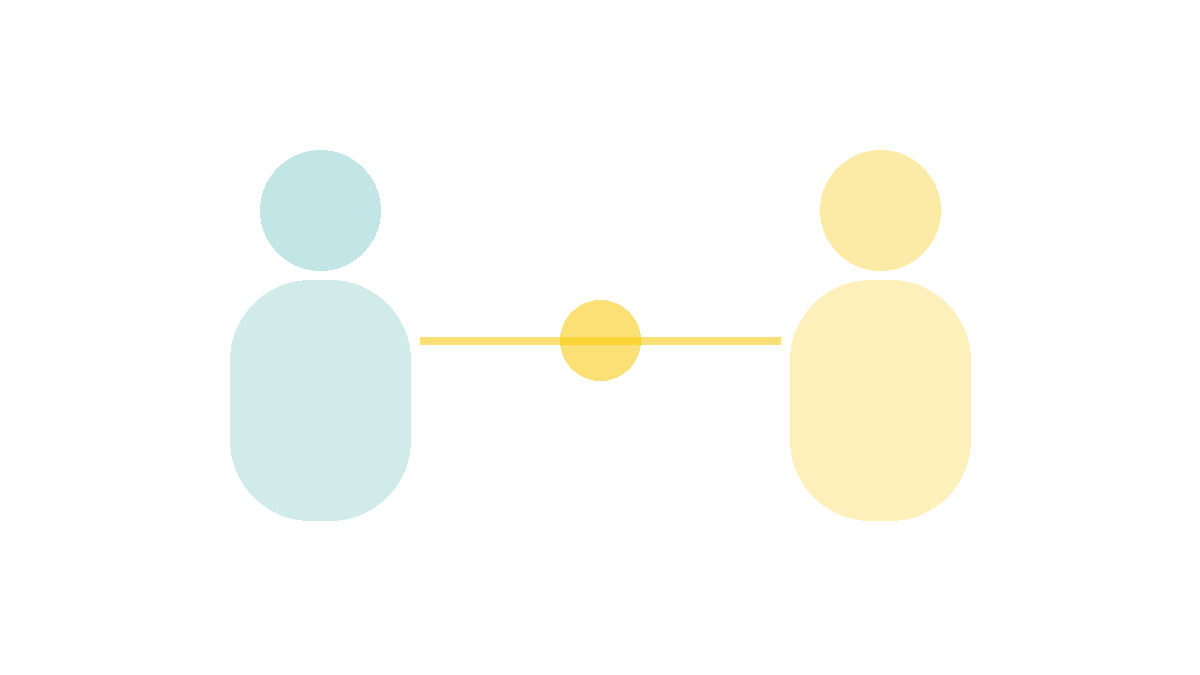
Design for both: let the bot handle the fast factual layer where speed is genuinely preferred, and make the human path obvious for anything that needs it. Neither replaces the other well, and trying to force either extreme — an all-bot support model, or refusing to use a chatbot at all because 'customers prefer humans' — misses the more accurate, more useful middle ground.
The businesses that get this right tend to think of it less as 'chatbot versus human' and more as routing: fast, factual, low-stakes questions to the bot; everything else to a person, with a smooth path between the two.